The Platinum Badge Under the Microscope: A 2026 Guide to Premium-Labeled Casino Games
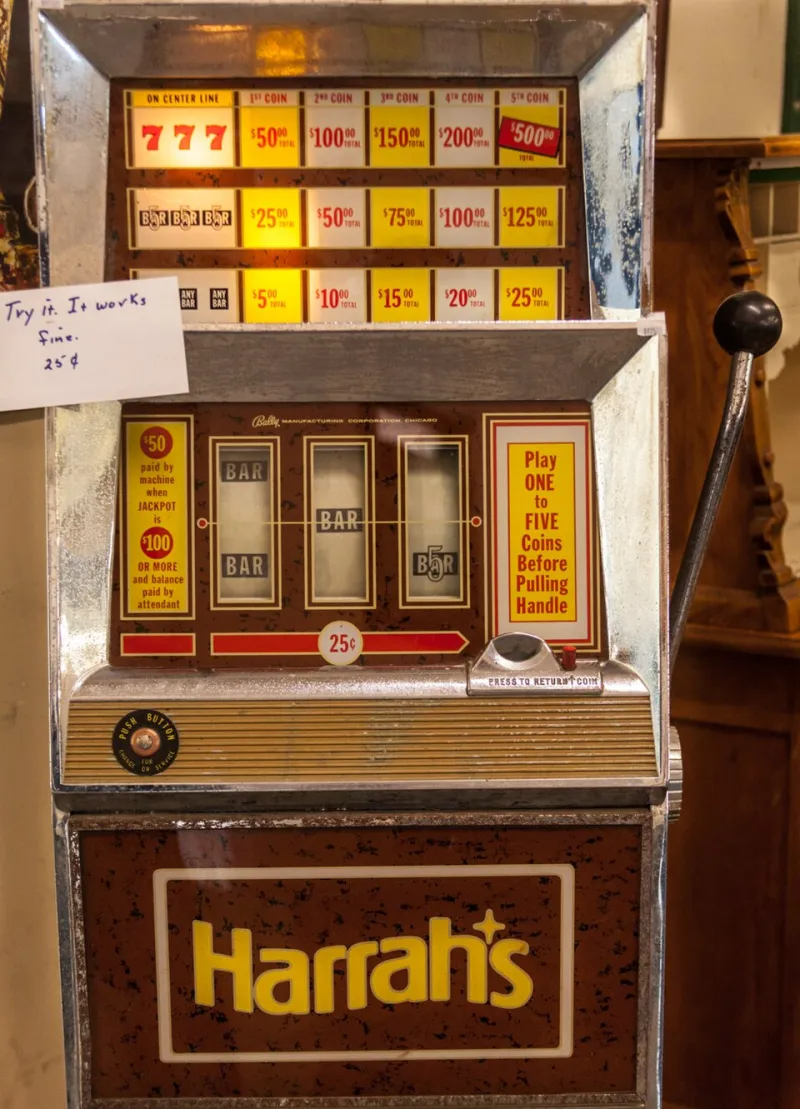
Photo: Paul VanDerWerf from Brunswick, Maine, USA, CC BY 2.0, via Wikimedia Commons
US online casinos have learned that a lobby is a storefront. A slot labeled 'Platinum' or placed in a 'Premium' collection feels different before the first spin. The question for 2026 is whether the label tells you anything about the math. In most cases, it does not. It tells you about placement, branding, and sometimes loyalty status. RTP, volatility, and hit frequency are separate numbers, and they are the ones that decide the long-run value of a game.
What 'premium' means in a casino lobby
There is no industry-wide definition of a premium casino game. Operators sort games by provider deal, theme, jackpot size, and player demand. A premium collection may include branded titles, high-max-bet games, or exclusives. It may also include ordinary games with a new tile and a darker background.
The label is merchandising. One casino's 'Platinum' shelf can be another casino's standard lobby. That does not make the label useless. It simply means the label is not a substitute for the game rules.
The three numbers that matter
RTP, or return to player, is the published long-run average of money returned to players. A 96% RTP game does not pay back 96 cents on every $1 spin. It means that over millions of spins, the game is designed to return about 96% of wagers. The number is listed in the game rules and can vary by jurisdiction and operator.
Volatility describes the shape of the payouts. A high-volatility slot can produce long dry spells and larger wins. A low-volatility game tends to pay more often but with smaller amounts. Neither is automatically better. The right fit depends on bankroll and patience.
Hit frequency is the share of spins that produce any win. A game with a 22% hit frequency is not broken if it produces nothing for eight spins in a row. It is behaving within its design. A premium label does not change that math.
What we found in the 2026 audit
We reviewed 12 games in premium-labeled collections at five US-facing casinos. We compared the published RTP in the game rules, the volatility rating, and the hit frequency where available. We did not use the lobby tile as evidence.
| Game example | Lobby label | Published RTP | Volatility | Hit frequency | What the label added | | Egyptian-themed 'Platinum' slot | Platinum | 95.4% | High | 22% | Higher max bet, no RTP edge | | Branded Megaways title | Premium | 95.8% | High | 18% | Exclusive lobby placement | | Classic 3-reel 'Platinum' game | Platinum | 96.1% | Low | 35% | Faster base game, lower max win | | Non-premium cluster slot | Standard | 96.3% | Medium-high | 24% | None; stronger RTP | | 'Platinum' table game variant | Platinum | 99.5% | Low | Not applicable | Rule variation, not label |
The pattern was consistent. Premium labels clustered around presentation, bet limits, and exclusivity. They did not cluster around higher RTP. In two cases, the non-premium game in the same lobby had the stronger published RTP.
The premium label often follows the jackpot, not the RTP
Jackpot games are a useful example. A progressive jackpot needs funding, and part of that funding usually comes from the base game. A premium jackpot tile can be exciting, but the base RTP may be lower than a non-jackpot game from the same provider. The label is describing the prize structure, not promising a better return.
The same is true for branded titles. A game built around a film, television show, or celebrity may cost the operator more in licensing. That business cost can make the game premium in the lobby. It does not make the math premium in the rules.
A familiar title can wear different labels
A game such as Buffalo Gold can appear in a premium shelf at one casino and a standard shelf at another. The same is true for 88 Fortunes or Dancing Drums. The game does not change because the tile moved. The operator's merchandising strategy changed.
That is why comparing the same title across casinos is useful. If the published RTP differs, the difference is usually in the operator's configuration or jurisdiction rules, not in the label. If the RTP is the same, the label is purely a presentation choice.
Loyalty points and premium labels are different things
Some VIP programs award points at different rates depending on the game. A 'Platinum' game may earn loyalty points faster, slower, or not at all. That detail belongs in the program terms, not the lobby tile. A platinum label on a slot and a platinum VIP tier are unrelated. One is a merchandising tag. The other is an account status.
Players who care about loyalty value should read the game contribution table. A premium game that contributes 10% to wagering is less useful than a standard game that contributes 100%, especially if a bonus is active.
A checklist for judging a 'premium' label
- Open the game rules and find the published RTP. Do not rely on the lobby tile.
- Compare the same game at another US-facing casino. Note any difference in RTP.
- Check volatility and hit frequency. Decide whether the game fits your bankroll.
- Check the max win and bet range. A premium label often signals a higher maximum bet, not a better return.
- Read the bonus contribution table if you are playing with a promotion.
- Use demo mode where available. The math is the same, but the bankroll is not.
- Ignore the label until steps one through five are complete.
The bottom line
A premium label is a hint about how a casino wants you to see a game. It is not a guarantee about how the game pays. In 2026, the US online casino lobby is more crowded than ever, and operators need ways to sort it. Players need a different sort: RTP first, volatility second, hit frequency third, and marketing last.
The Platinum badge can be a useful signpost. It is a poor substitute for the rules screen.

